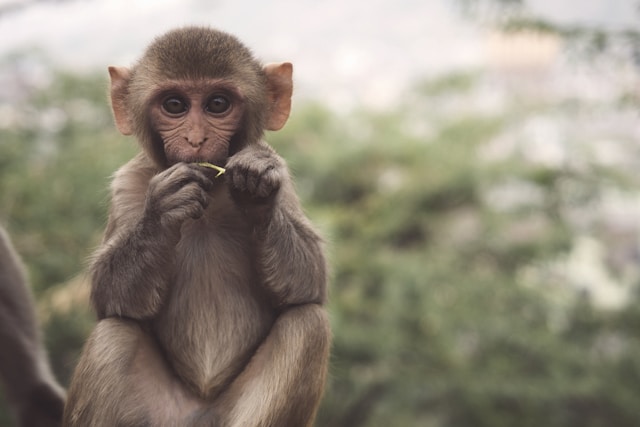
At 30 kilometres southwest of Poitiers—a straightforward 30-minute drive through Vienne countryside—La Vallée des Singes (Monkey Valley) delivers Europe’s most ethical and naturalistic primate park. This 16-hectare wooded reserve hosts over 450 primates from 34 species living in vast open-air habitats without bars or cages, creating an experience fundamentally different from traditional zoos. For British visitors staying in Poitiers, particularly families with children aged 4-14, the Vallée des Singes provides the perfect combination of entertainment, education, and genuine animal welfare. This is France’s premier primate sanctuary and conservation center disguised as a family-friendly day out. This is the complete guide to visiting La Vallée des Singes from Poitiers.
Why Visit La Vallée des Singes from Poitiers?
La Vallée des Singes opened in 1998 with a revolutionary concept: primates living in species-appropriate habitats large enough to support natural behaviors, visible to visitors but never confined behind bars. The park’s 34 species—gorillas, chimpanzees, bonobos, gibbons, lemurs, macaques, colobus monkeys—occupy forested islands surrounded by water moats rather than cages, creating sight lines that feel like observing wildlife in natural habitat. This ethical approach attracts families seeking alternatives to conventional zoos and conservation-minded visitors wanting to support genuine primate welfare. The park invests heavily in breeding programs for endangered species (particularly bonobos and gibbons) while maintaining extremely high animal welfare standards verified by international zoological organizations. For children, the Vallée offers close primate encounters impossible elsewhere—baby gorillas playing 5 metres away, gibbons swinging through forest canopy overhead, lemurs sunbathing on rocks—combined with excellent educational signage explaining primate behavior, conservation threats, and habitat protection. The park sits close enough to Poitiers for a comfortable half-day visit yet feels entirely immersive once inside.
Getting to La Vallée des Singes
By Car (Recommended): The drive from Poitiers to La Vallée des Singes covers 30km via the D741 southbound to Romagne village. Journey time 25-35 minutes in normal traffic. No tolls. The park provides extensive free parking directly at the entrance. Address: Le Gureau, 86700 Romagne (GPS: 46.2897, 0.2947).
By Public Transport: Limited bus service connects Poitiers to Romagne on weekdays only (Bus Line 9, operated by Vitalis). Service unreliable for day trips. For car-free visitors, consider renting a car for the day or joining organized tours from Poitiers tourist office (summer only).
Visiting Information
Opening Hours: The park operates 10:00-18:00 daily April-September, 10:00-17:00 October-March. Last entry one hour before closing. Closed December 25 and January 1-15 (annual maintenance). Allow minimum 3-4 hours for a complete visit; families with young children often spend 4-5 hours.
Admission Prices (2026): Adults €24, children 3-12 years €17, under-3s free. Family ticket (2 adults + 2 children) €76. Annual passes available (€70 adults, €50 children). Prices include all exhibits and feeding demonstrations. Book tickets online (www.la-vallee-des-singes.fr) to avoid weekend queues or pay at entrance.
Facilities: The park provides picnic areas (bring your own food, no on-site supermarket), one restaurant serving hot meals and snacks (lunch €10-18 per person), clean toilets throughout, pushchair-friendly pathways, and a small gift shop. No dogs permitted (kennels available at entrance, €3). Free Wi-Fi at entrance plaza only.
Highlights & Must-See Habitats
Gorilla Island: The park’s signature habitat hosts a family group of Western lowland gorillas in a 2-hectare forested island. Morning visits (10:00-11:30) offer best activity levels—gorillas forage, play, groom, interact naturally. The viewing platform sits 10 metres from the water moat, providing intimate sightlines without barriers. Feeding time 11:00 daily attracts crowds but guarantees activity.
Bonobo Territory: La Vallée des Singes participates in European bonobo conservation breeding and hosts one of Europe’s largest captive groups. These highly intelligent, endangered great apes display remarkable social behaviors—tool use, cooperation, empathy—visible from elevated walkways overlooking their forested habitat. Educational signage explains bonobo intelligence and Congo Basin conservation challenges.
Gibbon Forest: Multiple gibbon species occupy interconnected forest habitats where their spectacular brachiation (arm-swinging locomotion) unfolds overhead. Morning hours (10:00-12:00) feature peak vocal activity—gibbon songs echo through the forest, creating an unexpectedly wild soundtrack. Children find gibbons particularly captivating due to their acrobatic movements.
Lemur Island: Ring-tailed lemurs and black-and-white ruffed lemurs inhabit a Mediterranean-climate habitat with heated rocks for sunbathing. This exhibit allows particularly close viewing—lemurs often sit within 3-4 metres of visitors, providing excellent photo opportunities. Feeding demonstration at 15:00 daily.
Educational Programs & Conservation
The park offers free keeper talks throughout the day (check schedule at entrance) explaining primate behavior, conservation status, and habitat threats. Topics change daily but typically cover gorilla social structure, bonobo intelligence, gibbon communication, or lemur ecology. These 15-minute presentations significantly enhance visitor understanding beyond simple animal viewing. The park actively supports field conservation projects in Madagascar (lemurs), Congo Basin (bonobos, gorillas), and Southeast Asia (gibbons) through visitor admission fees and donation programs. Information boards throughout explain these initiatives.
Best Time to Visit
Seasonal Considerations: May-June and September offer ideal conditions—mild weather (18-24°C), manageable crowds, active primates. July-August see peak visitor numbers but the park’s extensive pathways prevent overwhelming crowding. October-March reduce visitor density significantly—excellent for peaceful visits though shorter daylight hours (17:00 closing) limit time. Avoid French school holidays (February half-term, Easter week) for minimal crowds.
Time of Day: Arrive at opening (10:00) for maximum primate activity. Morning hours (10:00-13:00) see animals most active—feeding, playing, vocalizing. Afternoon (14:00-17:00) brings quieter periods as primates rest, though scheduled feeding demonstrations maintain interest.
Practical Day Trip Itinerary
Half-Day Visit (Minimum Time): Depart Poitiers 09:30, arrive Vallée des Singes 10:00, explore park 10:00-13:30, lunch at park restaurant or drive to Romagne village 13:30-14:30, return Poitiers 15:15. Cost for two adults + two children: admission €76, fuel €8-10, lunch €30-40. Total: €114-126.
Full-Day Relaxed Visit: Depart Poitiers 09:30, arrive 10:00, morning exploration + keeper talks 10:00-12:30, picnic lunch in park 12:30-13:30, afternoon exhibits + feeding demonstrations 13:30-16:30, return Poitiers 17:15. Bring picnic supplies from Poitiers supermarket to save on lunch costs.
Combined Futuroscope Trip: Both attractions sit southwest of Poitiers (Futuroscope 10km north, Vallée des Singes 30km south). An ambitious but achievable itinerary: morning at Vallée des Singes (09:00-13:00), drive to Futuroscope (13:45), afternoon/evening at theme park (14:00-22:00). This requires stamina but maximizes value for families spending multiple days in Poitiers. See our Futuroscope guide for details.
Tips for Families with Children
Best Ages: The park works exceptionally well for children aged 4-14. Younger children (under 4) enjoy seeing animals but tire quickly on the 2km walking circuit. Teenagers often find the conservation and behavioral aspects engaging if framed as educational rather than entertainment.
Essential Items: Pushchair for children under 5 (pathways are pushchair-friendly), sun protection (limited shade on some walkways), comfortable walking shoes, water bottles (refill points available), picnic supplies if avoiding restaurant costs.
Photography: The barrier-free viewing allows excellent photography without bars or wire mesh. Telephoto lens helpful but not essential—many primates approach water moats within standard lens range. Respect photography rules posted at each habitat (no flash, no reaching over barriers).
Final Advice: La Vallée des Singes represents the best of ethical zookeeping—primates living in species-appropriate habitats, conservation programs supporting wild populations, educational content explaining ecological threats, all delivered in a family-friendly format. If your children need constant stimulation or theme park excitement, choose Futuroscope instead. If your family appreciates wildlife, values animal welfare, and enjoys slower-paced educational experiences, the Vallée delivers exceptional value. Many British visitors initially view it as “just a monkey park”—they invariably find the welfare standards and habitat quality superior to most UK zoos, with the proximity to Poitiers making it perfectly practical for a half-day excursion. For more Poitiers-area family attractions, see our guides to things to do in Poitiers and complete Poitiers travel guide.