
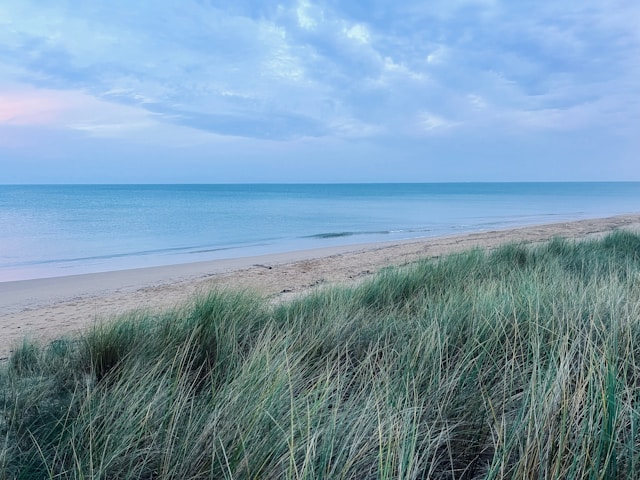
La Rochelle enjoys one of the mildest and sunniest climates in non-Mediterranean France, which is part of its appeal for British visitors. The Atlantic location brings temperate summers, mild winters and over 2,100 hours of sunshine per year — significantly more than London, Paris or most of the UK. This guide covers what to expect month by month, how La Rochelle’s weather compares to Britain, and when to visit for the best combination of sunshine, warmth and manageable crowds.
La Rochelle vs UK Weather: The Key Differences
La Rochelle’s climate is shaped by its position on the Bay of Biscay. Atlantic weather systems bring rain year-round, but the southern latitude and coastal position mean temperatures are consistently warmer than the UK — particularly in summer — and winters are noticeably milder.
Summer (June–August): Warmer and sunnier than southern England. July and August average 20–23°C daytime, with peaks to 26–28°C on hot days. Rare heatwaves can push temperatures to 35°C+, though Atlantic breezes usually keep it comfortable. Rainfall is lower than UK summers — July is the driest month with ~40mm. Crucially, summer evenings stay pleasant (16–18°C), unlike British summers where it often cools sharply after sunset.
Winter (December–February): Milder than the UK. January averages 6–10°C daytime, 4–5°C at night. Frost is rare near the coast, snow almost unheard of. However, winter is the wettest season (~80–95mm monthly) and Atlantic storms can bring strong winds and heavy rain. Expect 5 hours of sunshine daily vs 1–2 in the UK.
Spring and Autumn: Similar to southern England in temperature but sunnier. May and September are particularly pleasant — 16–22°C, 7–8 hours of sunshine, lower rainfall. These are the optimal months for British visitors seeking warmth without peak summer crowds.
Month-by-Month Weather
January
Temperature: 6–10°C daytime, 4–5°C at night
Rainfall: ~80mm (12–14 rainy days)
Sunshine: 3 hours/day
Sea temperature: 11°C
The coldest and one of the wettest months. Atlantic depressions bring wind and rain. Occasional cold snaps from eastern Europe can bring brief frosts, but snow is extremely rare. The city is quiet — hotels are cheap, restaurants uncrowded. Suitable for visitors prioritising cost over weather, or those happy exploring in a waterproof jacket. Not recommended for beach or island activities.
February
Temperature: 7–11°C daytime, 4–5°C at night
Rainfall: ~70mm (11–13 rainy days)
Sunshine: 4 hours/day
Sea temperature: 9°C
Marginally warmer than January with slightly more sunshine. Still wet and windy. The coldest sea temperatures of the year (8–9°C) make swimming unthinkable even for hardy Britons. Days are lengthening noticeably by late February. Good month for museum visits, seafood restaurants and avoiding tourists. Pack warm, waterproof layers.
March
Temperature: 10–13°C daytime, 5–7°C at night
Rainfall: ~60mm (10–12 rainy days)
Sunshine: 5 hours/day
Sea temperature: 10°C
Spring begins but weather remains unpredictable. Mild sunny days alternate with Atlantic rain. Temperature similar to a good UK April. The Azores anticyclone occasionally brings warm spells (15–18°C), pleasant for walking the Old Port or cycling to Île de Ré. Still too cold for beach activities. Bring layers — mornings can be cool (7–8°C), afternoons mild (12–14°C).
April
Temperature: 13–16°C daytime, 7–9°C at night
Rainfall: ~55mm (10–11 rainy days)
Sunshine: 6 hours/day
Sea temperature: 12°C
Noticeably warmer and sunnier. Outdoor café terraces reopen. Good month for sightseeing — towers, markets, historic centre — without summer crowds. Days lengthen to 14 hours by late April. Occasional warm spells (18–20°C) feel spring-like. Sea still too cold for swimming. Rainfall decreases but showers remain frequent. Pack light layers, sunglasses and a waterproof.
May
Temperature: 16–19°C daytime, 10–12°C at night
Rainfall: ~50mm (9–10 rainy days)
Sunshine: 7 hours/day
Sea temperature: 14°C
One of the best months for British visitors. Comfortably warm without peak summer heat or crowds. Temperatures reach 20–22°C on sunny days, evenings remain pleasant (12–14°C). Rainfall drops significantly. Île de Ré and Les Minimes beach become viable for cycling and walking. Sea still cool for most swimmers. UK flights begin operating (Ryanair, easyJet). Book accommodation 8–10 weeks ahead. Excellent value — cheaper than July/August, better weather than April.
June
Temperature: 19–23°C daytime, 13–15°C at night
Rainfall: ~40mm (8–9 rainy days)
Sunshine: 8 hours/day
Sea temperature: 17°C
Summer arrives. Warm, sunny and dry. Peak daytime temperatures 23–25°C, rarely uncomfortable. Sea temperature reaches 17–18°C — tolerable for swimming if you’re used to British waters. Beaches busy at weekends but manageable weekdays. All UK flight routes operating. Hotels fill up — book 10–12 weeks ahead. Tourist season begins but not yet peak. One of the optimal months for British visitors — warm enough for beach days, not yet overwhelmed by French holidaymakers. Light summer clothing sufficient, but bring a jumper for cooler evenings.
July
Temperature: 21–25°C daytime, 15–17°C at night
Rainfall: ~26–40mm (9–10 rainy days)
Sunshine: 9–10 hours/day
Sea temperature: 19°C
Peak summer. The driest and sunniest month. Daytime temperatures 24–26°C, occasional heatwaves to 30–35°C (increasingly common due to climate change). Sea temperature 19–20°C — comfortable for swimming. Beaches and islands very busy, particularly weekends. La Rochelle fills with French tourists, particularly Parisians. International Film Festival and Francofolies music festival attract large crowds. Hotels expensive — book 12–16 weeks ahead. Flight prices peak. Best month for guaranteed sunshine and warmth, but expect crowds and inflated prices. Bring sun cream (SPF 30+), sunglasses, hat. Evenings warm enough for outdoor dining without a jacket.
August
Temperature: 21–26°C daytime, 15–17°C at night
Rainfall: ~35–45mm (8–9 rainy days)
Sunshine: 9 hours/day
Sea temperature: 20°C
The warmest month. Peak temperatures 26–28°C, occasionally higher. Sea temperature reaches annual maximum (20–21°C) — genuinely pleasant for swimming, warmer than most UK beaches even in summer. However, this is also the busiest month. French school holidays run through August, and the city is packed. Beaches, aquarium, restaurants and ferries to the islands are crowded. Accommodation very expensive. If visiting in August, book at least 16 weeks ahead and expect to pay 30–50% more than shoulder season. Arrive at popular attractions (aquarium, Fort Boyard boat trips) early or late to avoid crowds. Despite the crowds, the weather is excellent and the atmosphere lively.
September
Temperature: 18–22°C daytime, 13–15°C at night
Rainfall: ~50–55mm (9–10 rainy days)
Sunshine: 7 hours/day
Sea temperature: 19°C
One of the best months for British visitors. Still warm and sunny — early September feels like summer — but crowds thin dramatically after French schools return mid-month. Sea temperature remains pleasant (18–19°C) through mid-September. Rainfall increases slightly but remains low by annual standards. Hotel prices drop 20–30% compared to August. Excellent month for combining beach time with sightseeing. Pack layers — mornings and evenings cooler (13–14°C) than high summer. Some UK flights reduce frequency or cease (Manchester, Edinburgh). Optimal balance of weather, value and manageable crowds.
October
Temperature: 15–18°C daytime, 10–12°C at night
Rainfall: ~80mm (12–13 rainy days)
Sunshine: 5 hours/day
Sea temperature: 17°C
Autumn sets in. Noticeably cooler and wetter than September. Temperatures similar to a good UK summer (15–18°C) but rainfall increases significantly. Sea temperature drops to 16–17°C — too cold for most swimmers. Fewer tourists, quieter atmosphere. Good month for museums, markets, seafood restaurants and exploring the historic centre. Some attractions reduce hours. Most UK flights cease after mid-October (bridge to Île de Ré becomes toll-free from November). Hotels cheaper. Bring warm layers and waterproof jacket.
November
Temperature: 11–13°C daytime, 6–8°C at night
Rainfall: ~84–99mm (14–17 rainy days)
Sunshine: 3 hours/day
Sea temperature: 14°C
The wettest month. Atlantic depressions bring frequent rain and wind. Grey, damp and significantly colder. Temperatures drop to 11–13°C daytime. Not recommended for British visitors unless seeking rock-bottom hotel prices and solitude. Most tourists gone, many restaurants and attractions on reduced hours or closed. No UK flights — nearest airport is Poitiers (90 minutes’ drive) with year-round Stansted service. If visiting in November, embrace the wet weather — seafood restaurants, covered market, museums. Pack full waterproofs and warm layers.
December
Temperature: 8–11°C daytime, 5–6°C at night
Rainfall: ~70–85mm (13–14 rainy days)
Sunshine: 2–3 hours/day
Sea temperature: 12°C
Cold, wet and dark. Shortest days of the year (8 hours daylight). However, the city comes alive for Christmas — markets, lights, festive atmosphere. Milder than UK winters (rarely below freezing) but wetter and windier. Atlantic storms can be severe — in December 1999, Storm Martin brought 150 km/h winds to La Rochelle and 200 km/h to Île de Ré. If visiting for Christmas markets, book accommodation early (prices rise late November/December). Pack as for a UK winter — warm coat, hat, scarf, waterproof layers.
Sea Temperature and Swimming
The Atlantic is notoriously cool, even in summer. British visitors accustomed to Cornwall or the North Sea will find it tolerable; those expecting Mediterranean warmth will be disappointed.
June: 17–18°C — cold but swimmable for hardy Britons
July: 19–20°C — comfortable for most swimmers
August: 20–21°C — peak warmth, genuinely pleasant
September: 18–19°C — still comfortable early month
October onwards: 17°C and dropping — too cold for most
Even in August, the sea is 4–5°C cooler than the Mediterranean. Bring a wetsuit if planning extended swimming or water sports.
What to Pack for La Rochelle
Summer (June–August): Light clothing (t-shirts, shorts, sundresses), sun cream SPF 30+, sunglasses, hat, light jumper for evenings, swimwear, sandals. Brief rain showers possible — pack a light waterproof or umbrella.
Spring/Autumn (April–May, September–October): Layers (t-shirts, long-sleeve shirts, jumper), light jacket, waterproof coat, comfortable walking shoes, sunglasses. Mornings and evenings cool — bring a warm layer.
Winter (November–March): Warm coat, hat, scarf, waterproof jacket, warm layers, sturdy waterproof footwear, umbrella. Pack as for a UK winter but marginally milder.
Best Time to Visit La Rochelle
For guaranteed sunshine and warmth: July and August. Expect 24–26°C, 9–10 hours of sunshine, sea at 20°C. However, also expect peak crowds, inflated prices and busy attractions. Book 12–16 weeks ahead.
For the best balance of weather and value: Late May, June and September. See our complete La Rochelle guide for full details on attractions, restaurants and accommodation. Temperatures 18–23°C, 7–8 hours of sunshine, fewer crowds, cheaper accommodation. June and September optimal for British visitors. Book 8–10 weeks ahead.
For budget travel: November–February. Cold, wet and grey, but hotel prices drop 40–60%. Suitable for visitors prioritising cost and solitude over weather. Not recommended for beach or island activities.
To avoid: November (wettest month, no UK flights, many attractions closed or reduced hours). December acceptable if visiting Christmas markets, but very wet and windy.
UK Flight Seasonality and Weather
UK flights to La Rochelle operate March–October only. See our guide to flying to La Rochelle from the UK for routes, airlines and booking strategy. This coincides with the best weather:
Flights available: Late March–October (Ryanair Stansted, easyJet Gatwick/Bristol, seasonal Edinburgh and Manchester)
No flights: November–February
For winter visits, fly to Poitiers (year-round Stansted service, 90 minutes’ drive) or Paris (TGV to La Rochelle 3 hours). However, November–February weather is poor — cold, wet, minimal sunshine. Winter visits only recommended for specific events (Christmas markets) or travellers unconcerned by weather.
Events and Weather
Francofolies Music Festival (mid-July): Peak summer weather (24–26°C, 10 hours sunshine). Outdoor concerts rely on good weather — July is the driest month, so rain unlikely. However, heatwaves increasingly common — bring sun protection.
La Rochelle International Film Festival (late June/early July): Warm and sunny (22–24°C). Outdoor screenings weather-dependent.
Grand Pavois Boat Show (September): Pleasant autumn weather (18–20°C), fewer crowds than summer. Good time to visit for boating enthusiasts — still warm, less crowded than July/August.
Atlantic Storms and Extreme Weather
La Rochelle’s Atlantic location brings occasional severe weather, particularly autumn and winter. In December 1999, Storm Martin brought winds of 150 km/h to the city and 200 km/h to Île de Ré, causing significant damage. Atlantic depressions can bring heavy rain and gales October–March. If visiting in winter, monitor weather forecasts and avoid Île de Ré during storm warnings.
Summer heatwaves are becoming more frequent due to climate change. The temperature record is 41.7°C (July 2022), up from 40.5°C (June 2019). If visiting during a heatwave, seek air-conditioned accommodation, avoid midday sun and stay hydrated.
Final Verdict
La Rochelle’s weather is reliably warmer and sunnier than the UK from May to September, which is why it appeals to British visitors. Summers are genuinely warm (24–26°C) without being oppressively hot, winters are mild (6–10°C) but wet, and spring/autumn offer excellent value with pleasant temperatures (16–22°C) and fewer crowds.
The optimal months for British visitors are June and September — warm enough for beach days and island excursions, sunny enough for outdoor dining and sightseeing, but cheaper and less crowded than July/August. May and early October are also viable for those prioritising value over guaranteed warmth.
Avoid November (wettest, darkest, no flights) unless seeking solitude and rock-bottom prices. July and August offer the best weather but come with peak crowds and inflated accommodation costs.
Approach La Rochelle as a summer destination (May–September) for the best experience, and book flights and accommodation 8–12 weeks ahead to secure reasonable prices.