
La Rochelle is one of France’s most attractive Atlantic coast cities, and for British visitors, it is also one of the most accessible — direct seasonal flights from multiple UK airports, a compact and walkable historic centre, and a location that combines maritime heritage, beaches, islands and seafood in a way that feels both familiar and distinctly French. This is the complete guide to La Rochelle for British travellers.
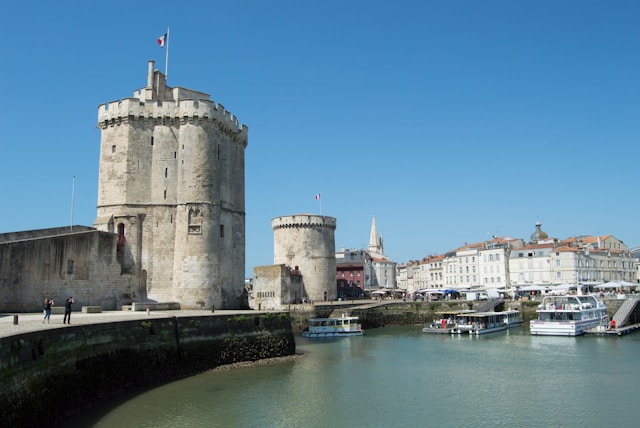
La Rochelle sits on the Bay of Biscay in the Charente-Maritime department of Nouvelle-Aquitaine, approximately 150 kilometres north of Bordeaux. Its Old Port (Vieux Port) is the heart of the city, flanked by three medieval towers that once protected the harbour entrance. The city’s historic centre is characterised by pale limestone buildings, arcaded streets with grey shutters, and a relaxed atmosphere that feels more Mediterranean than Atlantic.
For British visitors, La Rochelle offers something that is increasingly rare: a genuinely attractive French city that is both easy to reach and not yet overrun by British tourism.
Quick Navigation
Getting to La Rochelle from the UK
By Air (Seasonal Direct Flights)
La Rochelle–Île de Ré Airport offers seasonal direct flights from multiple UK airports, typically operating March through October:
London Stansted: Ryanair, 2–3 flights per week in summer, 1 hour 40 minutes
London Gatwick: easyJet, seasonal, 1 hour 35 minutes
Bristol: easyJet, seasonal, 1 hour 30 minutes
Manchester: easyJet, peak summer only (June–August), 1 hour 50 minutes
Edinburgh: Ryanair, seasonal, 2 hours 10 minutes
Book 10–14 weeks ahead for summer. Expect £75–130 per person return including baggage. See our guide to flying to La Rochelle from the UK for full details.
Winter travel: UK flights do not operate November–February. Fly to Poitiers (year-round Stansted, 90 mins drive) or Paris (TGV 3 hours).
By Ferry and Drive:
Portsmouth–St Malo (10 hours overnight) or Portsmouth–Caen (6 hours). From either port, 4 hours’ drive south. Total journey: 14–16 hours door-to-door.
By Eurostar and TGV:
London to Paris to La Rochelle. Total 7–8 hours. Book via SNCF Connect.
Getting Around La Rochelle
La Rochelle is compact and almost everything is within walking distance of the Old Port.
On foot: Old Port to train station 5 mins. Old Port to Les Minimes beach 30 mins. City’s flat terrain makes walking easy.
By bike: Yélo self-service bikes. First 30 mins free, then €1 per 30 mins. Excellent cycling infrastructure.
By bus: Yélo bus network. Single ticket €1.50, day pass €4.
By car: Not recommended for historic centre (pedestrianised). Useful for day trips to islands.
What to See and Do
The Old Port (Vieux Port):
The Vieux Port is the soul of La Rochelle and the starting point for any visit. Flanked by seafood restaurants, cafés and the three towers, it is where the city comes alive — particularly on summer evenings when locals and visitors promenade along the quays. The harbour is active with sailing boats, fishing vessels and pleasure craft, and the atmosphere is lively without being overwhelming.
The harbour is pedestrianised and lined with restaurant terraces. Expect to pay €15–25 for a seafood platter, €10–15 for moules-frites, €3–5 for a coffee. Quality varies — avoid the most touristy spots directly facing the towers and explore side streets for better value.
The Three Towers:
La Rochelle’s three medieval towers guard the harbour entrance and are the city’s most iconic landmarks:
Tour Saint-Nicolas:
The largest, 42 metres tall, built in the 14th century. Climb to the top for panoramic views over the city and harbour. €9.50 entry (free for under-18s and EU nationals aged 18–25).
Tour de la Chaîne:
Originally connected to Tour Saint-Nicolas by a chain that was raised at night to close the harbour. The top was destroyed in the 17th century when stored gunpowder exploded. Included in the same €9.50 ticket.
Tour de la Lanterne:
A former lighthouse and prison, 70 metres tall. The walls are covered in centuries-old graffiti carved by prisoners. Atmospheric and worth visiting for the history alone. Included in the €9.50 ticket.
A single ticket grants access to all three towers. Budget 2–3 hours to visit all three properly. The views from the top are excellent on clear days.
La Rochelle Aquarium:
One of the largest private aquariums in Europe, housing 12,000 marine animals across 82 tanks. Highlights include the shark tank, jellyfish gallery and sea turtle rescue programme. Entry €18.50 adults, €12.50 children (3–12). Book online in advance to avoid queues. Budget 1.5–2 hours.
Critical timing advice: avoid July–August daytime visits (11:00–18:00) — the aquarium becomes dangerously overcrowded. Visit late evening (20:30–23:00) in summer or mornings (09:00–11:00) outside peak season. See our complete La Rochelle Aquarium guide for full details.
The Historic Centre and Arcaded Streets
La Rochelle’s medieval centre is a pleasure to explore on foot. The arcaded streets — Rue du Palais, Rue Chaudrier, Rue des Merciers — are lined with independent boutiques, cafés and restaurants. The arcades date from the 17th century and provide welcome shade in summer and shelter from Atlantic rain showers.
Key streets to explore:
- Rue des Merciers: The shopping heart, lined with fashion boutiques
- Rue du Palais: Historic buildings and cafés
- Rue du Temple: Named after the Knights Templar, who used La Rochelle as a base
The streets are largely pedestrianised. Allow 1–2 hours to wander without a fixed route — getting lost is part of the experience.
Les Halles Market
Les Halles de La Rochelle is the covered market in the heart of the historic centre. Open every morning, it is where locals buy fresh produce, seafood, cheese, charcuterie and bread. The market hall dates from the 19th century and retains its original character.
For British visitors, this is the best place to experience local food culture. Stalls sell oysters from Marennes-Oléron, langoustines, sea snails, local goat’s cheese, Cognac and Pineau des Charentes. Many stalls offer tastings. Prices are reasonable and quality is excellent.
Open daily 07:00–13:00 (approximately). Busiest Saturday mornings. Arrive early for the best selection.
Musée Maritime (Maritime Museum)
Located on the waterfront near the Old Port, the Maritime Museum allows visitors to board three historic ships: a meteorological frigate, a trawler and a tugboat. The museum tells the story of La Rochelle’s maritime heritage and includes hands-on exhibits suitable for children. Entry €9, €6.50 children. Budget 1.5 hours.
Good wet-weather option and genuinely engaging for anyone interested in ships and maritime history.
Natural History Museum
Five floors of collections covering zoology, palaeontology, archaeology and ethnology. Highlights include the first giraffe to arrive in France and an orca skeleton. Entry €6, free on the first Sunday of each month (except July–August). Budget 1–2 hours.
Low-key but well-curated. Good value and a solid wet-weather option.
Bunker Museum (Musée des Bunkers)
A World War II bunker built in 1941 as a German Navy air raid shelter. The 280-square-metre underground facility housed 62 officers and two admirals and includes barracks, offices and a bar. Self-guided tours with videos, artefacts and reconstructed scenes. Entry €8. Budget 1 hour.
Niche interest, but genuinely atmospheric for anyone interested in WWII history.
Les Minimes Beach and Marina
Les Minimes is a modern beach and marina approximately 3 kilometres south of the Old Port. The marina is the largest on the Atlantic coast with 3,500 berths and is popular with sailing enthusiasts. The beach is sandy, family-friendly and less crowded than beaches on Île de Ré. Free to access.
Reach Les Minimes by bike (15 minutes), bus (line 10, €1.50) or on foot (30 minutes). Good option for a beach day without leaving the city.
Day Trips from La Rochelle
Île de Ré
The Île de Ré is La Rochelle’s most popular day trip and is often the primary reason British visitors come to the region. The island is 30 kilometres long, flat, and connected to La Rochelle by a 2.9-kilometre toll bridge (€16 in summer, free October–March).
The island is characterised by white-washed houses, salt marshes, oyster beds, sandy beaches and excellent cycling infrastructure. The main town, Saint-Martin-de-Ré, is a UNESCO World Heritage site with Vauban fortifications and a picturesque harbour.
Reach Île de Ré by car (20 minutes from La Rochelle), bus (lines 150, 151, 152, €2–4) or bike (dedicated cycle path across the bridge, 10 kilometres from La Rochelle centre to the island). Cycling is the most popular option and allows exploration of the island’s 100 kilometres of cycle paths.
Budget a full day. See our separate Île de Ré guide for full details.
Île d’Oléron
The second-largest French island after Corsica, located 40 kilometres south of La Rochelle. Known for oysters, sandy beaches and colourful fishermen’s huts. Less touristy than Île de Ré. Reach by car (45 minutes) — no ferry required, bridge is toll-free.
Fort Boyard
The offshore fortress made famous by the 1990s TV game show of the same name. The fort is not open to the public, but boat trips from La Rochelle offer close-up views. Tours depart from the Old Port, last approximately 3 hours, cost €30–40. Book in advance in summer.
Cognac
The town of Cognac is 1 hour 20 minutes east by car or train. Guided tours and tastings available at major cognac houses including Hennessy, Rémy Martin and Martell. Worth a day trip for anyone interested in spirits or French heritage. Trains infrequent — car recommended.
Marais Poitevin
The “Green Venice” of France, a network of canals, wetlands and forests 50 kilometres north-east of La Rochelle. Explore by traditional flat-bottomed boat or by bike. Stunning sunsets. Reach by car (1 hour). See our separate Marais Poitevin guide.
Where to Eat
La Rochelle’s food culture centres on seafood — oysters, mussels, langoustines, sea bass, sole — and everything is fresher and better here than inland. Expect to pay more than you would in rural France, but prices remain reasonable by UK standards.
Seafood restaurants (around the Old Port): Budget €15–25 per person for a seafood platter or moules-frites, €25–40 for a full meal with wine. Quality is generally high, but avoid the most touristy spots directly facing the towers where prices are inflated and quality variable.
Recommendations: André (5 Rue Saint-Jean du Pérot), Les Flots (1 Rue de la Chaîne), Le Café de l’Aquarium (Quai Louis Prunier — convenient if visiting the aquarium).
Budget options: Crêperies, pizza, boulangeries for takeaway sandwiches. Expect €8–12 for a decent meal.
Specialities to try:
- Oysters from Marennes-Oléron (€8–12 per dozen)
- Moules marinières (mussels cooked in white wine, €12–15)
- Pineau des Charentes (local aperitif, sweet fortified wine)
- Cognac (obviously)
- Millas Charentais (corn flan dessert)
Les Halles market is the best place to buy oysters, cheese, charcuterie and bread for picnics.
Where to Stay
For British visitors, the key question is location. The Old Port and historic centre are the most convenient for sightseeing and dining, but accommodation is more expensive. Les Minimes offers better value but requires a bus or bike to reach the centre.
Read our Hotels in La Rochelle complete Guide
Old Port / Historic Centre:
- Hotel prices: €80–150 per night for a double room
- Advantages: Walking distance to everything, atmosphere, restaurants
- Disadvantages: Expensive, limited parking, can be noisy in summer
Les Minimes:
- Hotel prices: €60–100 per night
- Advantages: Beach proximity, marina, better parking, quieter
- Disadvantages: 30 minutes’ walk or bus ride to Old Port
Train Station area:
- Hotel prices: €60–100 per night
- Advantages: Convenient for arrivals/departures, budget chains available
- Disadvantages: Less atmospheric, 10 minutes’ walk to Old Port
Book accommodation 8–12 weeks ahead for July–August. Prices rise sharply during French school holidays and the Grand Pavois boat show (September).
Practical Information for British Visitors
- Language: English is spoken in tourist areas (hotels, aquarium, larger restaurants, tourist information). Less so in markets, bakeries and smaller shops. Basic French phrases appreciated.
- Currency: Euro. Most establishments accept credit/debit cards. ATMs widely available. Use Revolut, Monzo or Wise for best exchange rates.
- Passport: Must be valid for at least six months from entry date (post-Brexit rule). Passport control at La Rochelle Airport typically 10–15 minutes.
- GHIC: Carry your Global Health Insurance Card for access to French state healthcare. Does not replace travel insurance.
- Mobile roaming: Check your provider’s EU roaming policy. EE, Three, Vodafone and O2 currently include France in standard plans.
- Tipping: Not obligatory. Service charge (service compris) included in restaurant bills. Rounding up or leaving small change (€1–2) appreciated for good service.
- Weather: La Rochelle benefits from a mild Atlantic climate. Summers are warm (22–26°C), winters mild (8–12°C). Rainfall spread throughout the year. Pack layers and a waterproof jacket even in summer. See our La Rochelle weather guide for month-by-month details.
- Best time to visit: Late May–September for guaranteed sun and warmth. June and September optimal (warm, fewer crowds, flights cheaper). July–August busiest and most expensive. April–May and October pleasant but cooler, risk of rain higher.
How Long to Stay
Weekend (2–3 days): Sufficient for the Old Port, towers, aquarium, historic centre and one day trip (Île de Ré or Île d’Oléron). Most popular option for British visitors.
Week (5–7 days): Allows relaxed exploration of La Rochelle, multiple day trips, beach time at Les Minimes, and excursions to Cognac or Marais Poitevin. Recommended for families or anyone wanting to explore the region properly.
Extended stay (10+ days): Combine La Rochelle with Bordeaux (2 hours), Poitiers (1.5 hours) or explore Charente-Maritime in depth. Ideal for ferry travellers with a car.
Is La Rochelle Worth Visiting?
For British visitors, La Rochelle offers something increasingly rare: a genuinely attractive French city that combines history, beaches, islands, excellent food and a relaxed atmosphere without being overrun by British tourism. It is accessible, manageable and retains its French character in a way that larger, more famous destinations sometimes do not.
The caveats are clear: it is not cheap (expect Paris-level prices for accommodation and dining in peak season), the UK flights are seasonal (November–February requires indirect routes), and in July–August it can feel crowded and busy — though nothing like the Côte d’Azur.
But for summer weekends, week-long holidays or as a base for exploring the Atlantic coast and islands, La Rochelle is genuinely excellent. The combination of maritime heritage, seafood, beaches and island access is hard to beat, and the fact that it remains relatively undiscovered by British tourists is part of its appeal.
Approach it as a French city first, a beach destination second, and you will enjoy it immensely.